What Is Iekei Ramen? The Story Behind Yokohama’s Iconic Ramen Family
Intro
Iekei ramen, Tokushima ramen, Jiro-style ramen — there are all kinds of ramen out there in the world. Over roughly 150 years of evolution and fierce competition, ramen slowly branched out into a huge variety of flavors. Sometimes even two different branches of the same chain will serve up completely different tastes and quirks. If you really tried to break it all down, you’d never finish — but if we stick to the broad lineages, you can still sort ramen into a few distinct families. From the earliest “Tokyo shoyu (soy sauce) ramen” at Rairaiken, all the way to the rarely-talked-about “Tokushima ramen,” I want to share every ramen lineage I could dig up online. Today is the very first episode of this series — Iekei (家系) ramen.
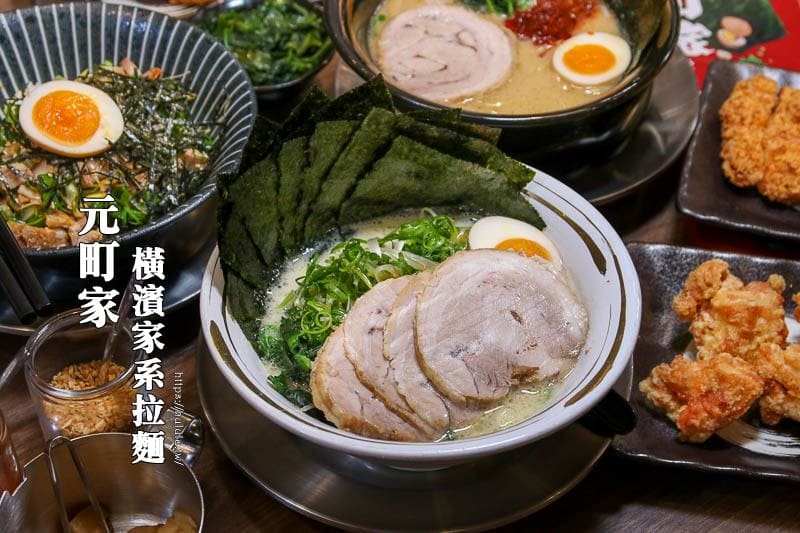
What makes Iekei ramen distinctive
The Yokohama Iekei lineage of ramen usually has the following few traits:
- The soup is built on a rich tonkotsu (pork bone) broth base.
- It’s seasoned with soy sauce as the tare (base seasoning).
- It’s typically paired with thick, chewy noodles.
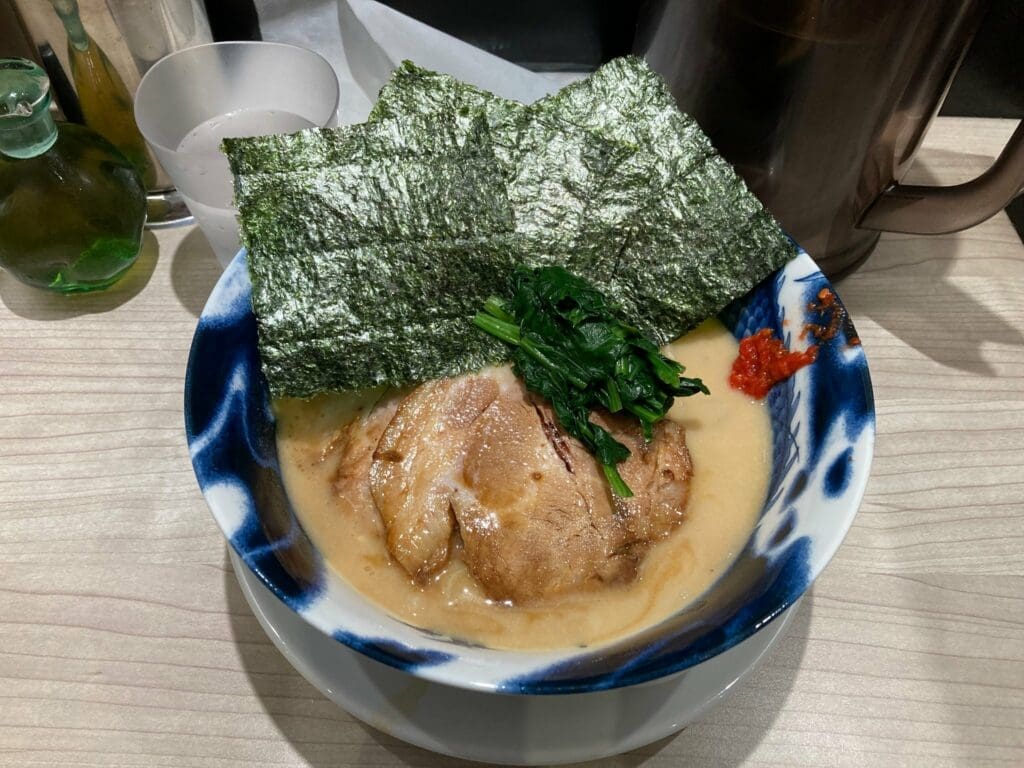
- The toppings are usually chashu (braised pork), spinach, and nori (seaweed). Some Iekei shops in Taiwan also sell quail eggs.
- Customers can adjust the richness of the broth and the amount of fat themselves.
- Chicken oil is added for seasoning (for some folks in Taiwan, this is an absolutely essential element).
The history of Iekei ramen
As for where Iekei ramen comes from, its roots trace all the way back to 1974, when it started catching on with the Kanto region as its center. “Yoshimuraya” is regarded as the founding father of Iekei ramen. One day, Yoshimura, the shop’s owner, wondered: “What would happen if I mixed Kyushu’s tonkotsu broth with Tokyo’s soy sauce broth?” He gave it a shot, and to his own surprise, the result was jaw-droppingly delicious. Not only did it sell like crazy, plenty of customers who tried it wanted to become his apprentices. Like most ramen shops, Iekei is fiercely committed to keeping its flavor and standards consistent — authentic Iekei shops insist on using only noodles made by “Sakai Seimen.”
After finishing their apprenticeships and opening their own shops, most of these former apprentices would call themselves “So-and-so-ya,” which is exactly how the Iekei name spread far and wide. But over time, many of them also developed their own takes on Iekei ramen — Taiwan, for instance, now has all sorts of different Iekei shops, each with its own character. Think Pengxing’s “Linbei Iekei,” Yamashita Park’s “Yamashita Ramen,” and Ramen-ya’s “Hsinchu Iekei Ramen.” So if you ever come across an Iekei ramen shop, why not pop in and give it a taste?
Alright, thanks for reading! Since I was a bit short on time, there isn’t a ton of content here, so I’ll say sorry for that. Down the road I’ll bring all the ramen-lineage articles together into one place. If you’d like to see more, dear Mydons, feel free to hit follow — and I’ll see you next time!
References and image sources for this article:
Check out my many on-the-ground reviews of ramen shops in Taiwan and Japan: