Busan Museum, Korea: Getting to Know a City’s Past and Present — and the Joys and Sorrows You Might Not Know
Meow meow everyone, welcome back, it’s me, Mydondon! Today is the 3rd installment of our Korea travel series, and this time I’m going to introduce the very first stop on my Busan itinerary – the Busan Museum. But before we dive in, let me give you a little heads-up 😅, because this is my first time writing a sightseeing-spot introduction post, so a lot of this is still very much a work in progress. There are bound to be some rough patches, so if there’s anything you think I could improve, feel free to let me know, my dear Mydons!
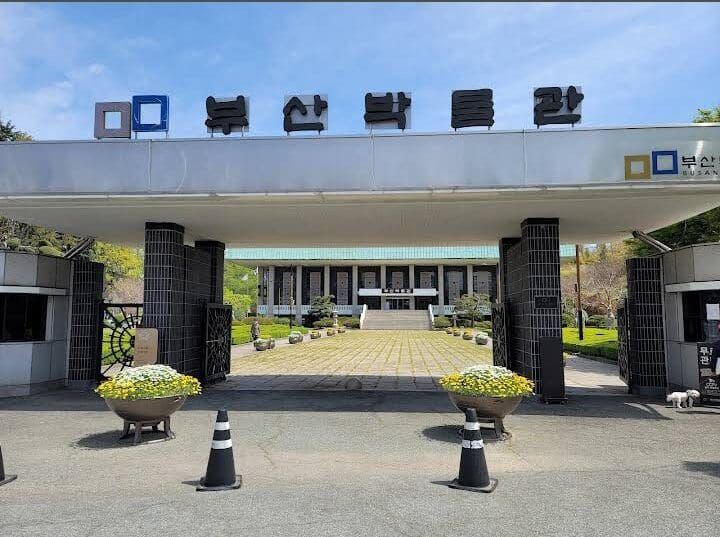
Alright then, let’s get started!
Busan Museum: The Basics
Type: History museum
Suggested time to spend: about 1.5 ~ 2 hours
Restrooms: Yes
Free Wi-Fi: Yes
Detailed location info: https://maps.app.goo.gl/pNirehPLhWzFrJNK7
I’m not sure where I first heard it, but some people say that if you really want to understand a city, you absolutely have to visit its museums. And if that’s true, then what better place could there be than the Busan Museum to get to know Busan’s history? So on my very first day in Busan, I stepped right into the Busan Museum.
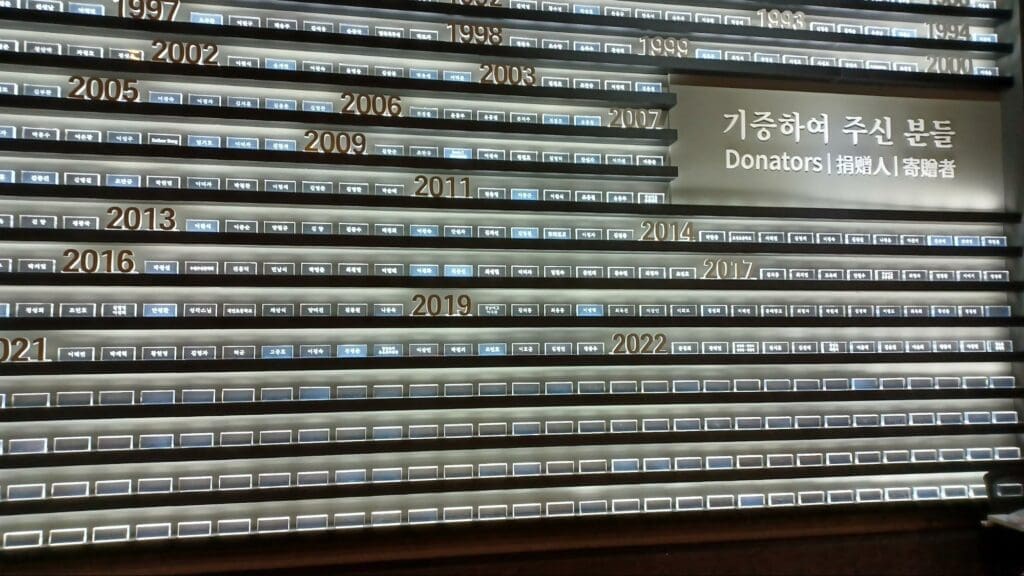
Right after you walk in, you’ll come across a small area, and it’s a pretty special one. It’s mainly dedicated to honoring the remarkable people who donated their personal collections to the museum. Their names are written out on the wall one by one, arranged by year, and the whole thing looks genuinely impressive.
On top of that, another part of the room lists out a few of the more notable donors, with some of their stories or the reasons behind their donations written right next to the items they gave.
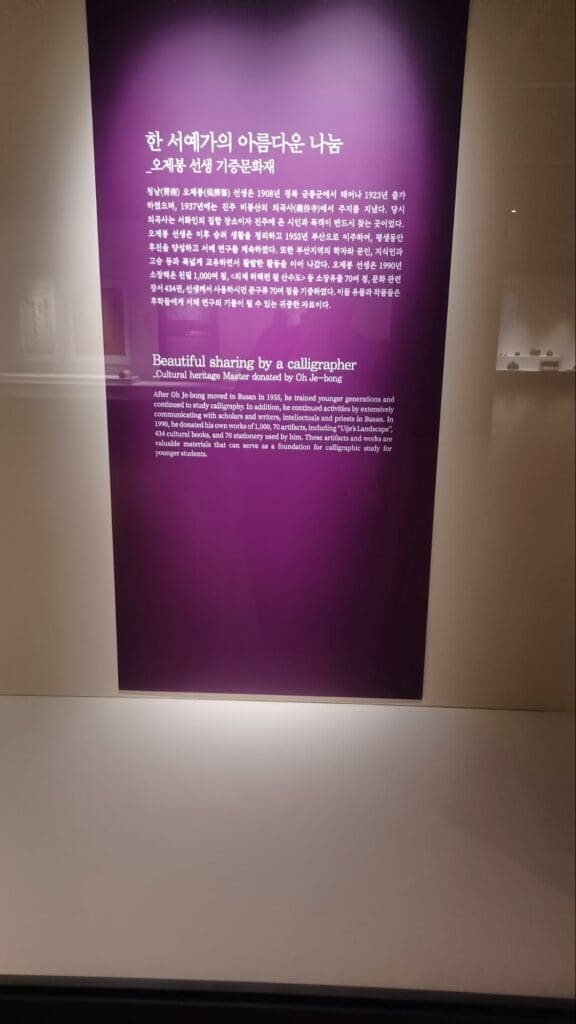
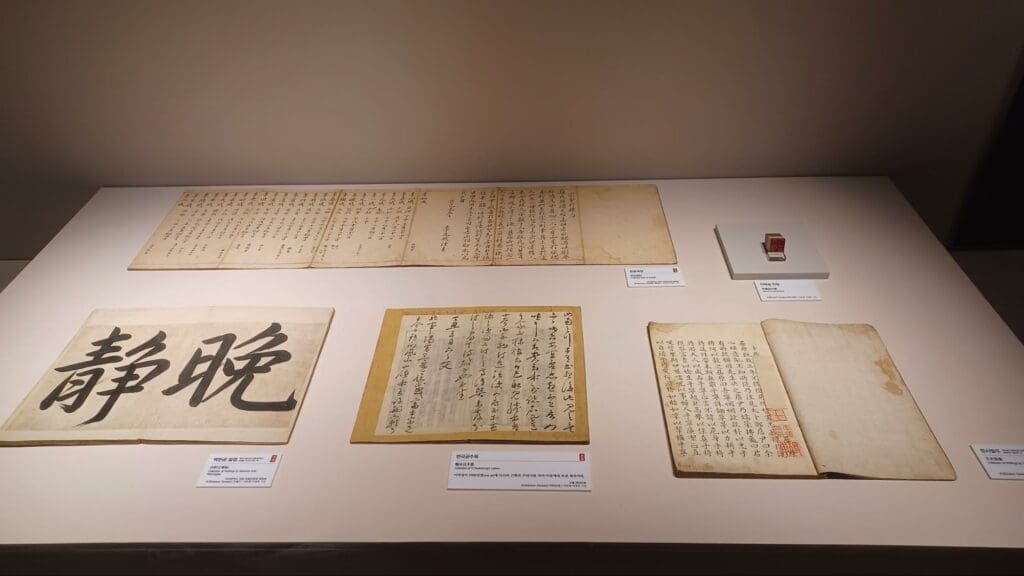
That said, these people and their stories weren’t translated into Simplified Chinese. In fact, most of the content is only in Korean and English, which isn’t exactly super friendly. Only the grayish-black boards covering the broader strokes or conclusions come in four languages, but since there isn’t a ton of text, you can actually read through it all by slowly translating it bit by bit with Google Lens. Even my parents, without reading the purple boards, were able to get the gist of what the boards were saying.
Honestly, this room doesn’t really have much to do with the others. The main event is the collection you reach by walking up the ramp, which mainly tells the story of Busan’s history from ancient times right up to the present, spanning everything from the Paleolithic era to the modern day. As you head up the ramp, you’ll see photos lined up along the wall, picturing the people who once walked on this land, and there are even some hilariously cheeky shots, with people pulling faces at the camera. Unfortunately, photography isn’t allowed here, so I don’t have any pictures of it.
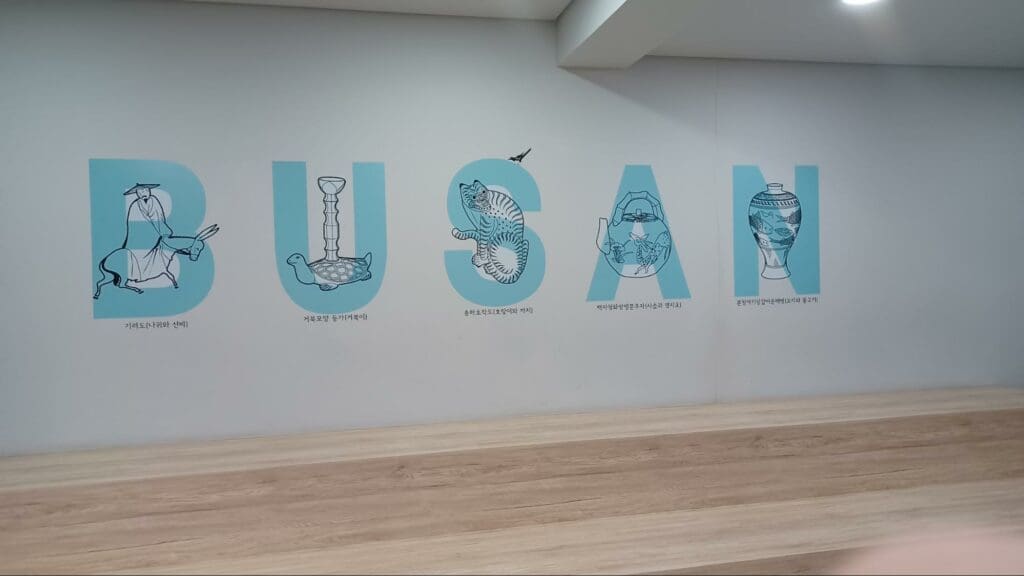
As far back as the Neolithic era, people were already living around Busan. From the stone tools, pottery, and other everyday items unearthed at these Neolithic sites, along with leftovers like discarded shells and animal bones, we can tell that the people living in Busan back then most likely made their living by fishing, just like most early civilizations.
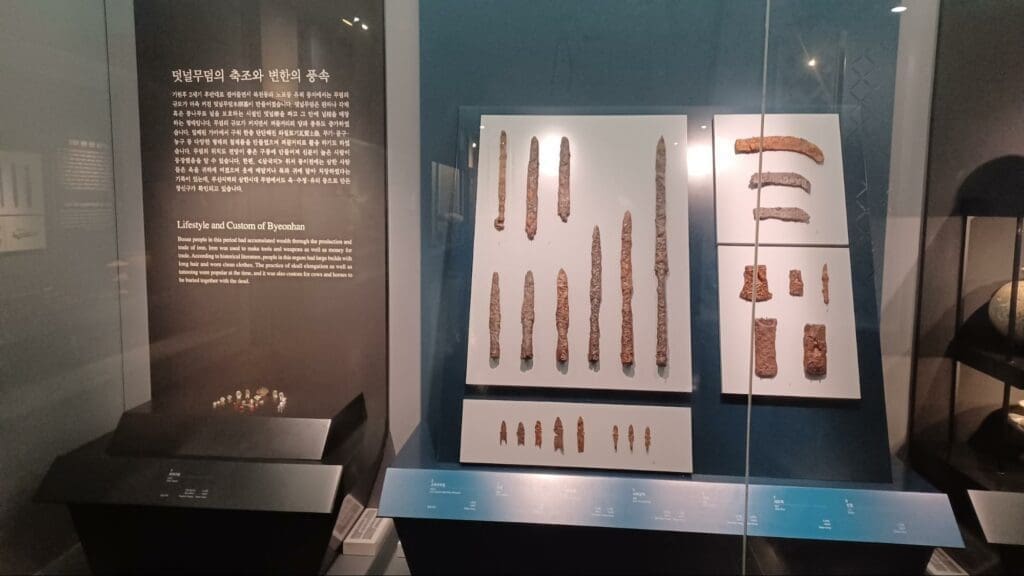
And as time went on, more and more people gradually moved to the inland plains and hilly areas of the Busan region. Among the unearthed artifacts there are also bronze items, with the Dongnae district holding the most Bronze Age sites. The Dongnae district has also yielded sites from the early Iron Age as well as ancient tomb clusters dating to the Three Kingdoms period.
As the eras shifted and humanity kept advancing, the civilization in Busan eventually moved into the Joseon period. During the Joseon Dynasty, Busan had already become an important gateway for foreign exchange thanks to its unique geographic location. As far back as the reign of King Taejo, a military command post was set up here.
After establishing the garrison, the Joseon court went on to set up waegwan (Japanese trading and diplomatic settlements) that served as hubs for trade and diplomacy with Japan, such as the Busanpo Waegwan. At the same time, in order to solidify its own standing, it also established the “Gyeongsang Left Naval Headquarters,” which was a bit like the residence of a regional official and served as a key national defense facility protecting Busan at the time. Busan also evolved into the place from which most of the envoys dispatched to Japan and China set sail.
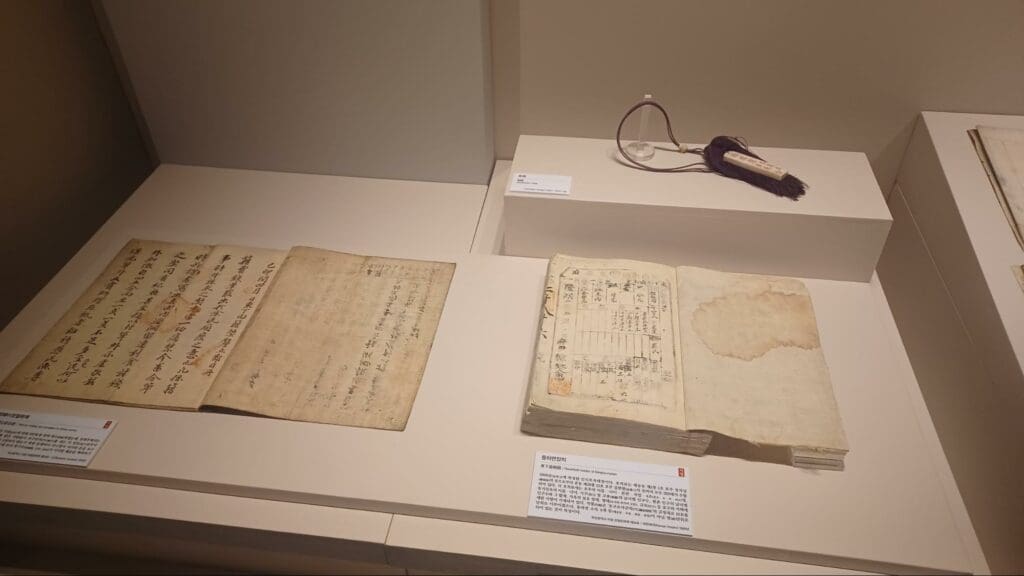
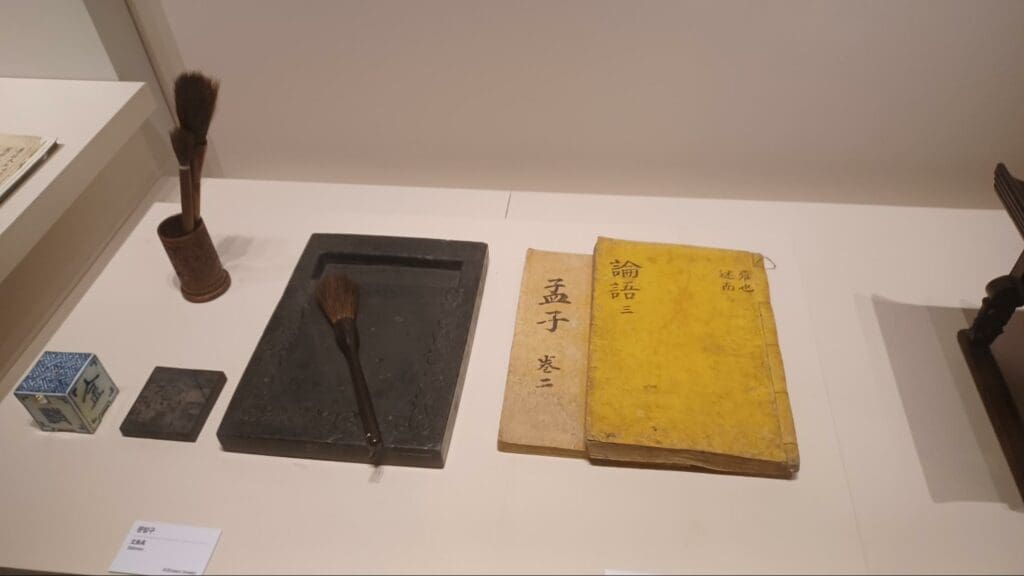
But whenever there’s a place this perfect, there’s always going to be someone who wants it all to themselves, that’s just human nature. After 1592, Busan was invaded by the Japanese and reduced to a Japanese-occupied territory. It wasn’t until after the war ended in 1607, when Busan returned to Joseon’s hands once more and diplomatic relations were restored, that the city was finally able to rebuild.
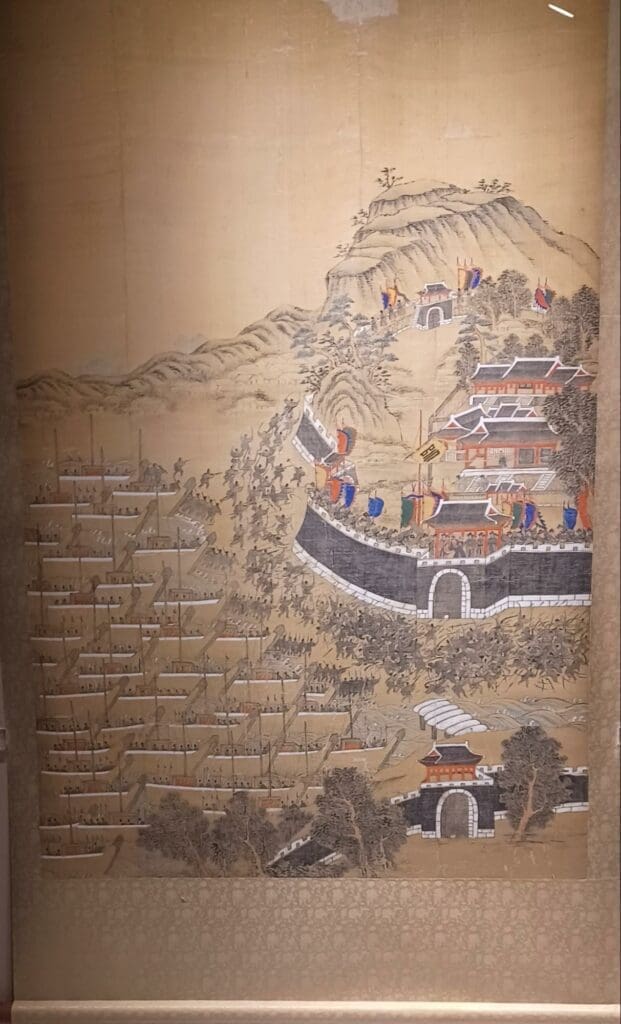
But no one could have foreseen that history would repeat itself so strikingly. Japan’s ambitions toward Joseon had never truly faded. By the late 18th century, Japanese power gradually expanded, and they began picking off one Asian country after another. Joseon didn’t escape this fate either. In 1898, after being defeated and annexed by Japan, Busan became a Japanese colonial city and the start of a whole series of exploitations. At the same time, Busan was swept up into becoming a modernized port city, used specifically to export goods to Shimonoseki in Japan.
(Korean teenagers were conscripted at the time to fight for Japan on the various war fronts)
Of course, after Japan surrendered at the end of World War II, there’s still plenty more history to tell. What was Busan like back then? I think I’ll leave that for you to discover on your own! Thanks so much for reading, and I hope you enjoyed today’s episode. If you liked it, feel free to hit that follow button~ See you all next time!
References:
Wiki – Battle of Busanjin:
https://zh.m.wikipedia.org/zh-hant/%E9%87%9C%E5%B1%B1%E9%8E%AE%E4%B9%8B%E6%88%B0
Wiki – Busan Metropolitan City:
https://zh.m.wikipedia.org/zh-tw/%E9%87%9C%E5%B1%B1%E5%BB%A3%E5%9F%9F%E5%B8%82
Chinese Encyclopedia – Busan (a city in southern Korea):
https://www.newton.com.tw/wiki/%E9%87%9C%E5%B1%B1
Busan Museum:
https://www.visitbusan.net/index.do?menuCd=DOM_000000601001001000&uc_seq=276&lang_cd=cnb