My First Bowl at Shengwang Ramen: A Rich, Refreshing Bowl Done Right
Intro
Meow meow, hi everyone! Today I’m off to slurp some ramen again! This time I wanted to hit up a super famous ramen shop in Taipei — mention its name and there’s basically no one who hasn’t heard of it. It’s Shengwang Ramen (勝王)! My impression of this place is that it has a ton of personality, and it was the talk of the ramen scene for quite a while. In my eyes, Shengwang is the kind of ramen shop that has a huge crowd who love it and an equally huge crowd who don’t — maybe it’s because it sticks so stubbornly to its own style? The name itself gives me this “local king” vibe, like, “I don’t need to read your face to make money.”
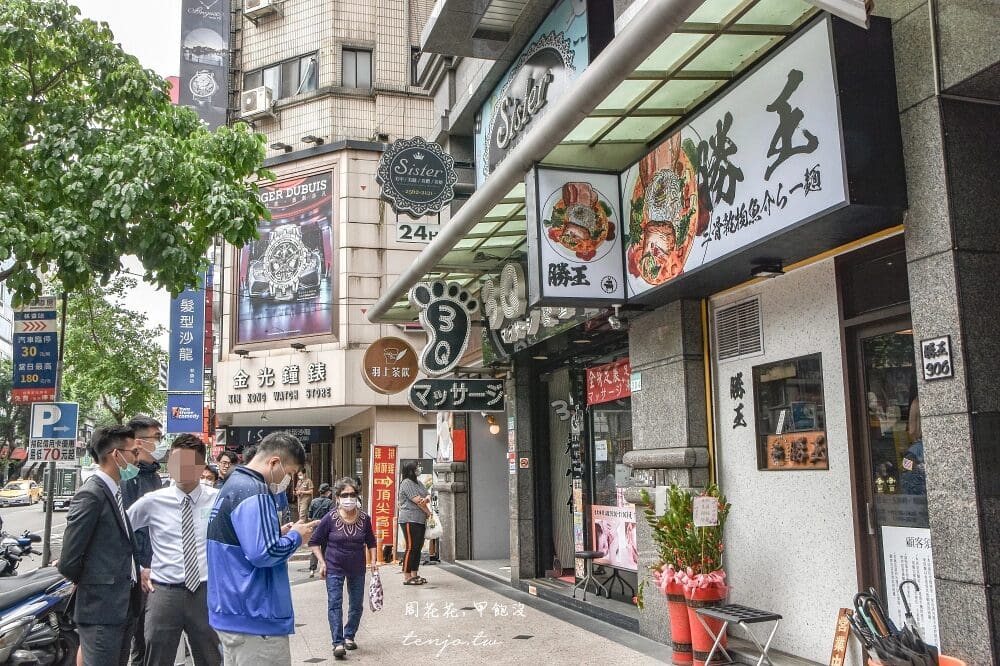
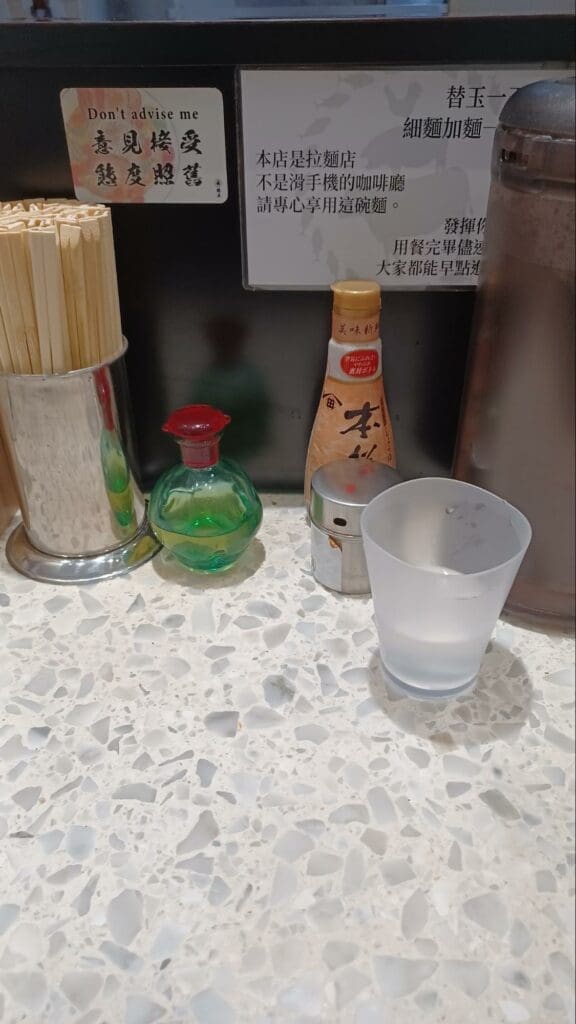
There’s a big sign at the entrance, and out front there’s a giant board laying out the rules for eating the ramen. But if you eat ramen often, you’re probably already familiar with these rules! I figure they’re written for the keyboard trolls and the clueless aunties and uncles, because there are always a few folks who don’t quite get ramen culture yet — so it’s a sort of friendly reminder (^~^;)ゞ.
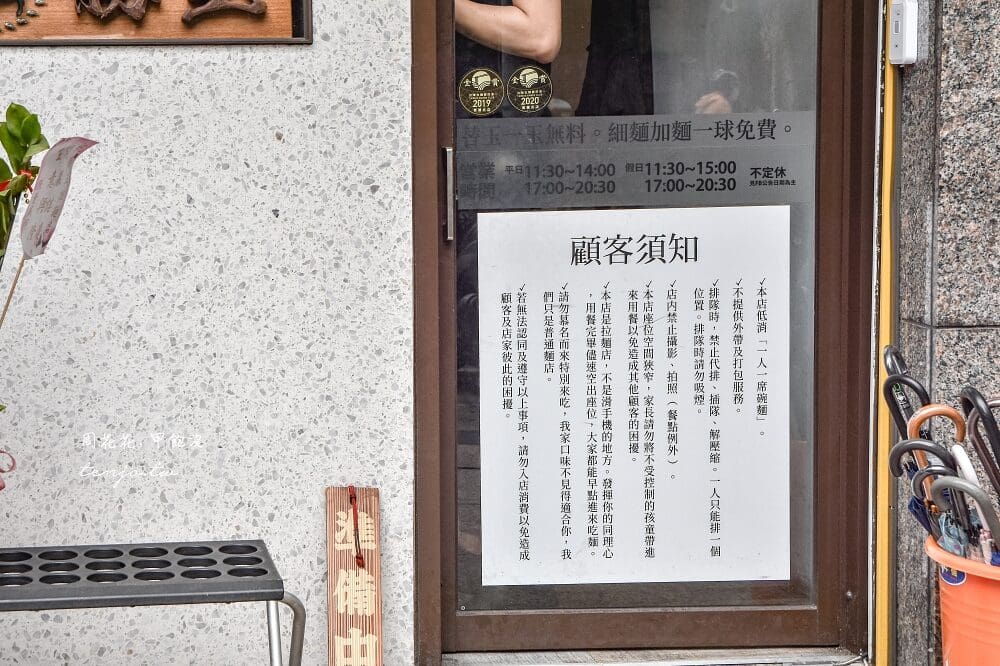
Shengwang’s wait time and location info
But when I went to visit in person today, Shengwang didn’t seem to have the massive lines it used to. Has the hype died down? Or did we just get lucky? I don’t know, but I do know that a shop you don’t have to wait too long for is a good shop! We waited about 15 minutes (just one group ahead of us) and then we were in. There are roughly 13 seats inside, and it’s a bit cramped — gave me real Ranmaru déjà vu. Every seat has a divider between it and the next, probably put up during the pandemic, and now they’ve just left them, which conveniently makes it a little less awkward when you’re sitting next to a stranger.
Shengwang on Google Maps: https://goo.gl/maps/tBVjBedKRQpd7Dbf6
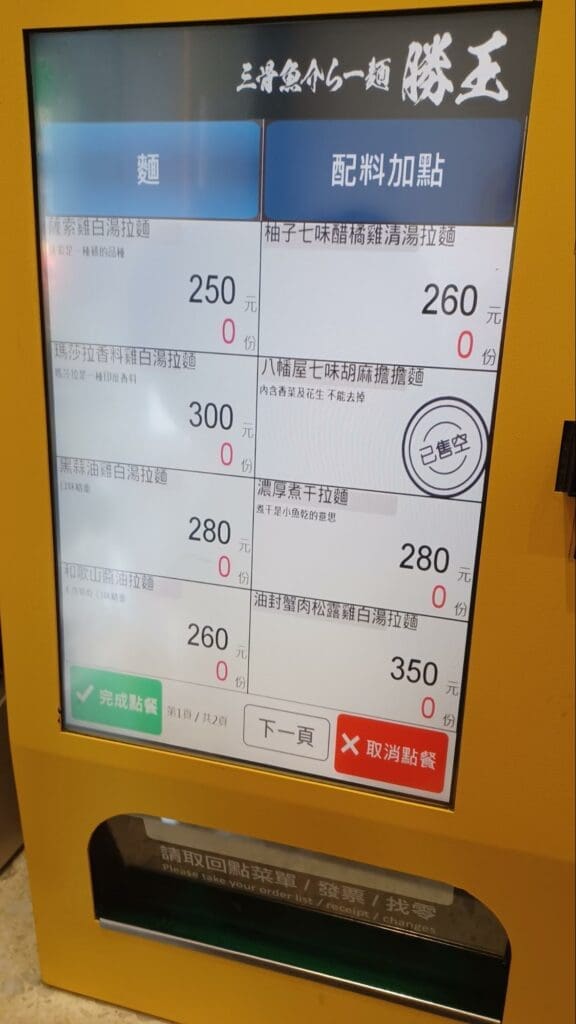
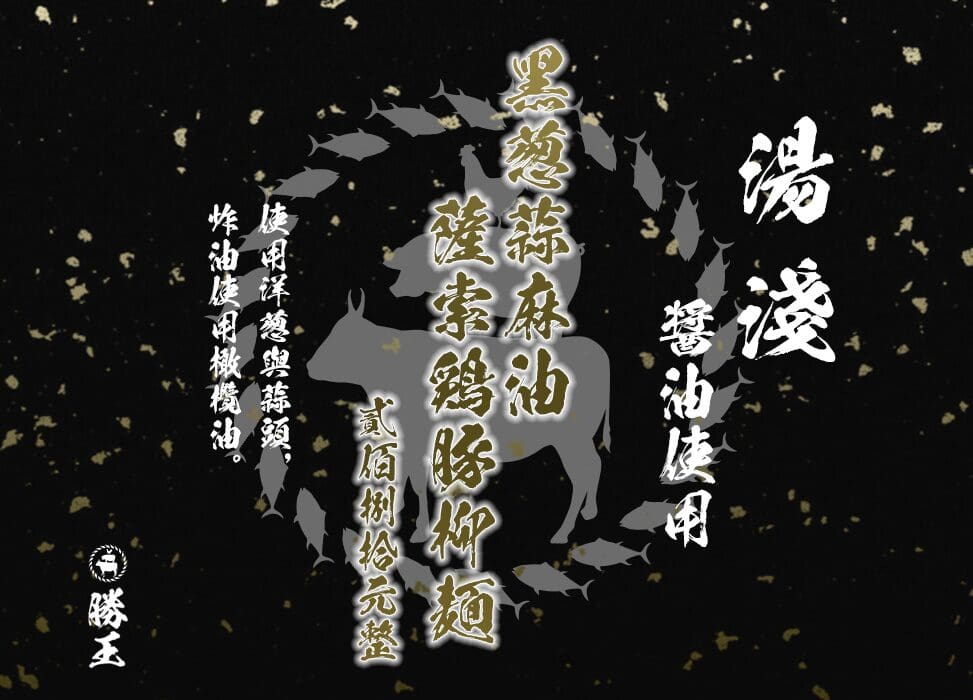
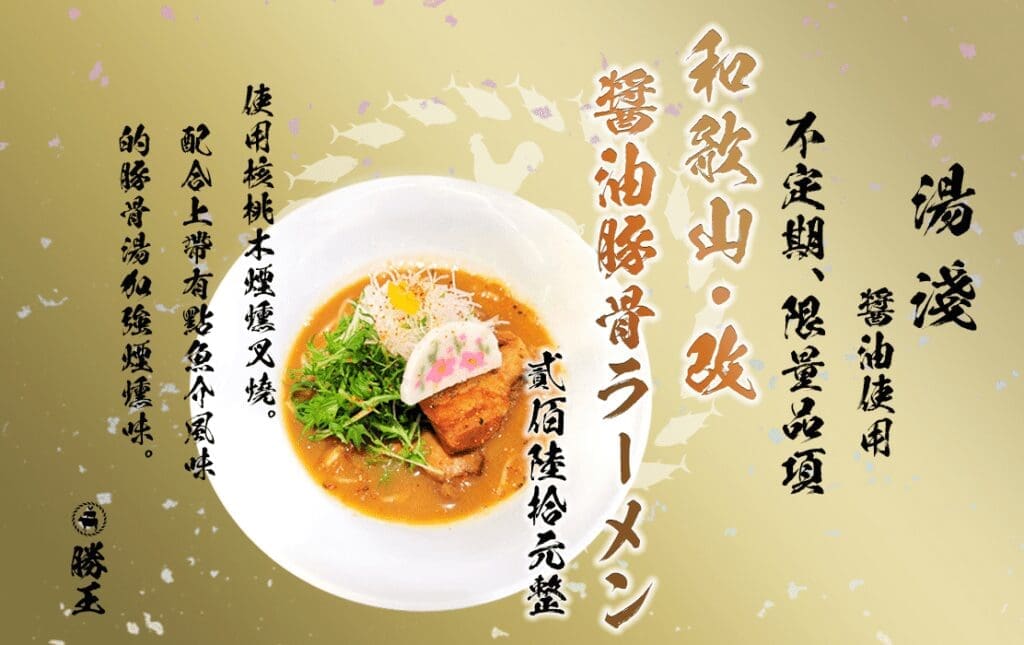
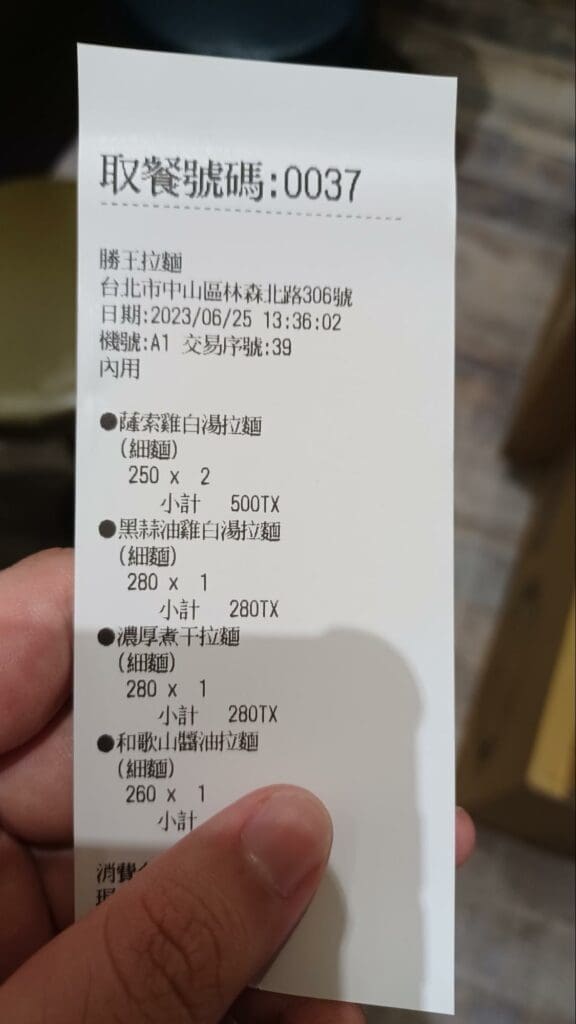
Every day Shengwang also posts the day’s menu on their fan page, so if there’s a particular flavor you’re craving, you Mai-Mais can head over and take a look. Honestly, it reads a bit like classical Chinese, but you can still roughly figure out what’s in each bowl.
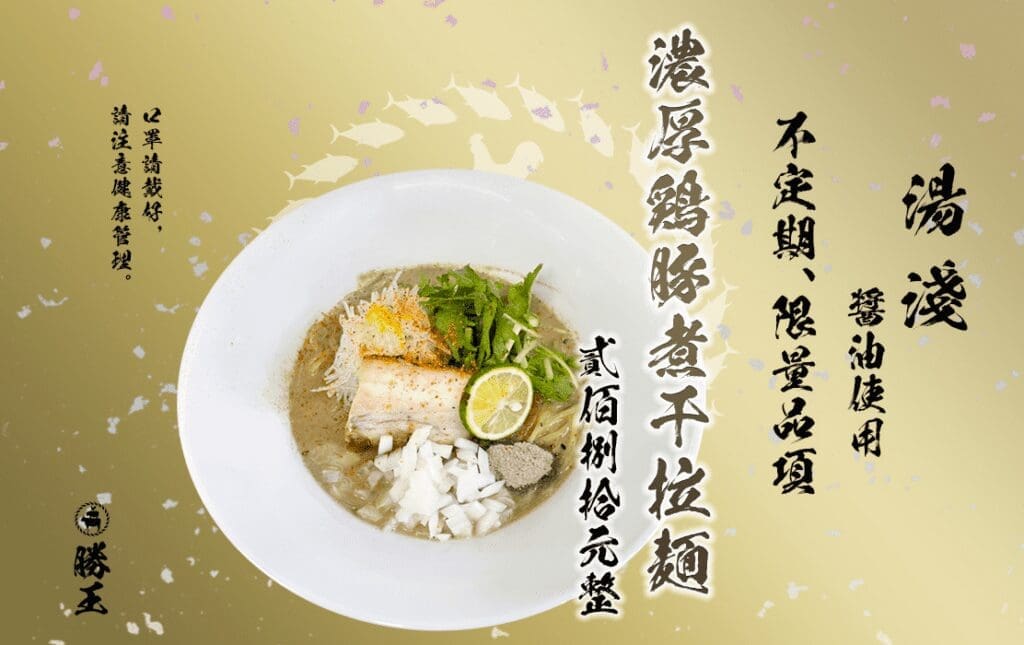
Shengwang’s rich niboshi ramen: the broth and toppings
I ordered the rich niboshi (dried sardine) ramen. It had been ages since I’d had niboshi, so I figured I’d try Shengwang’s take on it. It arrived in about 3 minutes — honestly pretty fast. With this bowl you can clearly taste the dried-fish character, and at the same time it blends chicken-pork stock with pure niboshi, using spices to fuse the two together perfectly. You can definitely feel the presence of the little dried fish, yet it never steals the show or feels overwhelming. On top of that, the faint hints of chicken and pork give the broth even more layers. Even better, it cleverly pairs the toppings so that every bite is a different experience — take the chashu, for example: there are several different textures going on.
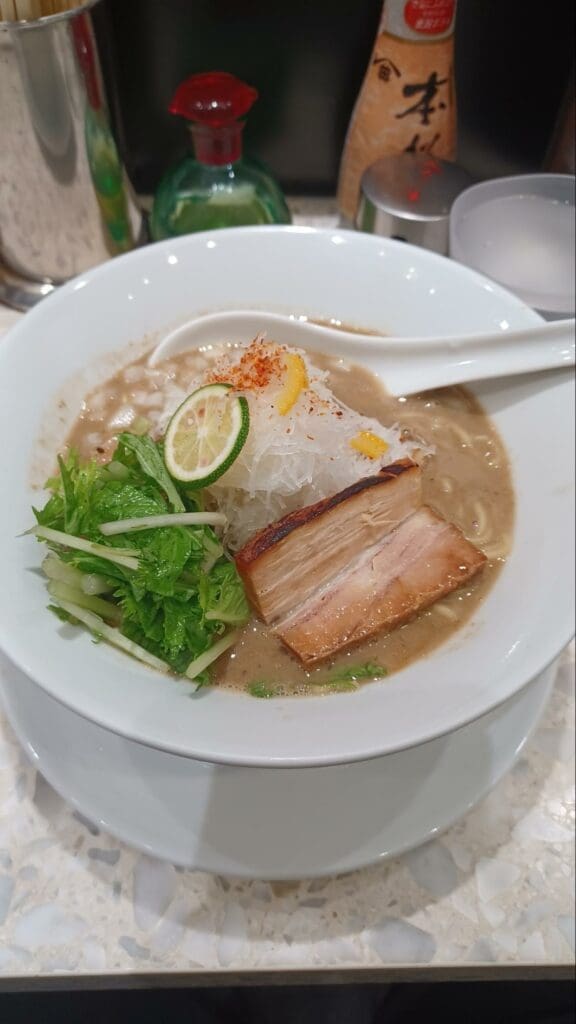
Like that chicken chashu in the middle of the photo — it’s been smoke-roasted until it’s a little dry and chewy. It’s the first time I’ve ever seen ramen use chashu like this, and it gave me a “wow, didn’t expect that” kind of moment. While every other shop is trying to make their chicken as tender as possible, all sous-vide-ing their chicken breast, Lao Ge (Shengwang’s owner) goes the complete opposite direction — and honestly, I think it works really well. Tearing the chicken apart and dipping it in a bit of ramen broth is genuinely a treat. There’s also another kind of chashu, the type woven from alternating lean and fatty meat. It’s a touch ordinary, but it never feels like a half-effort — instead, you end up admiring how Shengwang nails even the most common, basic chashu.
Also, I want to give a special shout-out to the shredded daikon. At first I thought the shredded daikon was kind of bland, because it didn’t really have much flavor. But later I realized you’re supposed to mix it thoroughly into the broth — it balances the flavor and adds variety to the texture, giving you this refreshing feeling. There’s also Kyoto mizuna, a kind of green that doesn’t have any “vegetable-y” taste (at least it doesn’t in the ramen). Rather than just using it as a topping alongside the onion, I actually think it should replace the onion altogether. The onion feels a bit out of place, whereas using these wild greens means you never get pulled out of the experience of enjoying the bowl.
That said, I do think there are still a few downsides overall — namely, there’s too little broth! Even without adding extra noodles, there’s barely enough to go around, and I actually think you have to approach this bowl with a tsukemen (dipping noodle) mindset. Partly because the broth is so rich, and partly because the whole bowl eats a lot like cold noodles — especially once you add extra noodles, the broth really shrinks. Maybe an option to pay a little extra for more broth? But then again, that might ruin the overall golden ratio. And because there are so many varied toppings, it ends up squeezing the portion of each one, leaving you with that bittersweet “wow, this is so good — aw, it’s gone already…” kind of feeling.
Okay, let’s wrap it up! Overall, I’d say this bowl is darn near a perfect 100, because it hits both of the key points: richness and harmony. First, the toppings are plentiful — at least 3 different kinds of chashu, plus citrus, mizuna, onion, and more. The whole thing is anything but boring. And it manages all that without losing the essence of ramen — it even takes on the super-difficult challenge of fusing two strong-flavored broth bases together without either one stealing the spotlight. That’s an incredibly hard thing to pull off, and it’s surely something only someone who truly loves ramen would be willing to pour this much into a single bowl. That’s the craftsman’s spirit! Alright, thanks for reading, everyone. If you like my articles, there are plenty of similar ones on my homepage. And if you can’t find them (because they’re honestly a mess), I’ve organized them on my personal website — feel free to take a look below.
My personal website: https://mydondon.net/
Ramen-related articles: https://mydondon.net/category/ramen